Global Agro Commodity Sourcing & Supply
Global Agro Commodity Sourcing & Supply
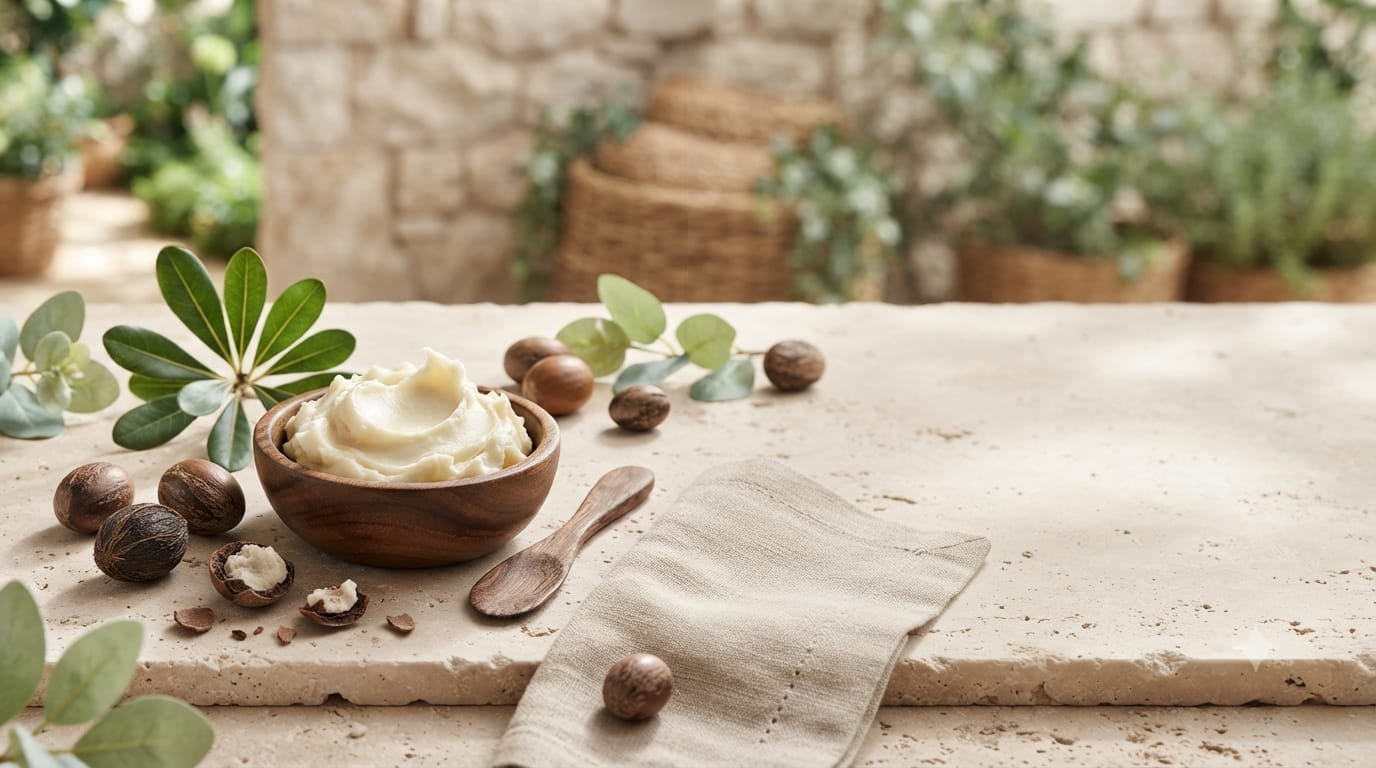
Shea Butter has become one of the most valued natural ingredients in the global beauty, skincare, personal care, and wellness industries. Known for its rich moisturizing properties and skin-friendly nutrients, shea butter is widely used by cosmetic brands, skincare manufacturers, soap producers, hair care companies, and personal care product developers around the world.
Sourced from the nuts of the shea tree, shea butter has been used traditionally in Africa for generations and is now an important ingredient in modern cosmetic formulations. From premium skincare creams to natural hair products, shea butter continues to gain popularity due to the increasing demand for clean, natural, and sustainable ingredients.
This guide explains what shea butter is, its benefits, different types, quality standards, uses, and how businesses can identify and source high-quality cosmetic-grade shea butter.
What Is Shea Butter?
Shea Butter is a natural fat extracted from the nuts of the shea tree (Vitellaria paradoxa). The shea tree grows mainly in the African shea belt, where local communities harvest and process shea nuts to produce this valuable natural ingredient.
The process involves collecting shea fruits, removing the nuts, drying them, crushing and roasting them, and extracting the butter through traditional or modern processing methods.
Raw shea butter contains natural fatty acids, vitamins, and antioxidants that make it highly valuable for skincare, hair care, and cosmetic applications.
The production of shea butter involves several important steps:
Mature shea fruits are collected after naturally falling from the trees. The nuts are separated from the fruit and prepared for processing.
The nuts are cleaned and dried to reduce moisture content and improve storage stability.
The dried nuts are crushed into smaller pieces and processed into a paste.
The butter is extracted using traditional methods or mechanical processing techniques to separate the natural fats from the nut material.
The extracted butter is filtered, purified if required, and packed for domestic or international markets.
Shea Butter is highly valued because of its natural moisturizing and nourishing properties.
Shea butter is rich in fatty acids that help maintain skin hydration and improve softness, making it a popular ingredient in moisturizers, body creams, and lotions.
The natural components of shea butter help improve the appearance and feel of dry skin, making it suitable for various skincare formulations.
Shea butter is commonly used in hair products because it helps condition hair, improve manageability, and provide moisture.
With growing demand for natural beauty products, shea butter is preferred by brands looking for plant-based alternatives in their formulations.
Shea butter is used in products designed for:
Understanding the difference between refined and unrefined shea butter is important for buyers and manufacturers.
Unrefined shea butter is minimally processed and retains more of its natural characteristics, including its natural color, aroma, and beneficial compounds.
Characteristics:
Common uses:
Refined shea butter undergoes additional processing to remove natural odor, color, and impurities.
Characteristics:
Common uses:
With increasing demand for shea butter, quality verification has become essential. Buyers should consider the following factors:
Pure shea butter usually has a smooth texture and natural color variations depending on processing methods.
Unrefined shea butter generally has a mild natural nutty smell. A strong artificial fragrance may indicate additional additives.
High-quality shea butter melts easily when exposed to body temperature and has a smooth consistency.
Reliable suppliers should provide clear information about processing methods, origin, and quality specifications.
For industrial buyers, quality testing helps confirm:
Cosmetic-grade shea butter is specially processed and tested to meet the requirements of skincare and personal care manufacturers.
It is commonly used by:
Important quality parameters include:
The product should be free from unwanted additives and contaminants.
Consistent appearance and acceptable odor are important for cosmetic formulations.
Controlled moisture levels help maintain stability and shelf life.
Proper packaging protects the product from contamination and maintains quality during transportation.
Shea butter is used across multiple industries, including:
Used in:
Used in:
Used to improve the texture and moisturizing properties of soaps.
A key ingredient in:
Used in various topical formulations due to its skin-conditioning properties.
Africa is the primary source of global shea production. The shea tree naturally grows in the African savannah regions, where communities have developed traditional knowledge and expertise in shea processing.
The region provides access to authentic shea nuts and supports a supply chain that connects local producers with international cosmetic and personal care industries.
For global buyers, sourcing directly from reliable African supply chains offers advantages such as:
Before purchasing shea butter in bulk, businesses should evaluate:
✔ Product quality and consistency
✔ Processing method (refined or unrefined)
✔ Cosmetic-grade specifications
✔ Packaging standards
✔ Export documentation
✔ Supply capacity
✔ Reliable communication
✔ Long-term partnership capability
Choosing the right supplier helps manufacturers maintain product quality and customer satisfaction.
Proper storage is essential to maintain shea butter quality.
Recommended storage conditions:
Bulk shea butter is commonly packed in food-grade or industrial-grade containers suitable for international transportation.
Ficus International supplies high-quality Shea Butter for businesses seeking reliable natural ingredients for cosmetic, skincare, hair care, and personal care applications.
Our focus is on consistent quality, dependable sourcing, professional communication, and efficient export solutions. We work with businesses that require reliable supply partnerships and products that meet international market expectations.
Whether you are a cosmetic manufacturer, skincare brand, soap producer, or personal care company, Ficus International supports your sourcing requirements with quality-focused solutions.
Shea Butter is a natural fat extracted from the nuts of the shea tree (Vitellaria paradoxa) and is widely used in skincare and cosmetic products.
Yes, shea butter is commonly used in skincare products because of its moisturizing and nourishing properties.
Unrefined shea butter retains more natural characteristics, while refined shea butter is processed for a neutral color, smell, and consistent quality.
Pure shea butter typically has a natural texture, mild aroma, and melts easily with body heat.
Cosmetic manufacturers, skincare brands, soap companies, hair care brands, and personal care product developers commonly purchase cosmetic-grade shea butter.
Shea Butter is more than just a natural moisturizer—it is a valuable ingredient supporting the global skincare, cosmetic, and personal care industries. Understanding the differences between refined and unrefined shea butter, quality standards, and sourcing requirements helps businesses make better purchasing decisions.
For companies looking to develop high-quality cosmetic products, choosing a reliable supplier with consistent quality and export expertise is essential.
Ficus International is committed to delivering premium Shea Butter solutions that help businesses create natural, effective, and market-ready products for customers worldwide.